Research
Heme Protein Structure/Function
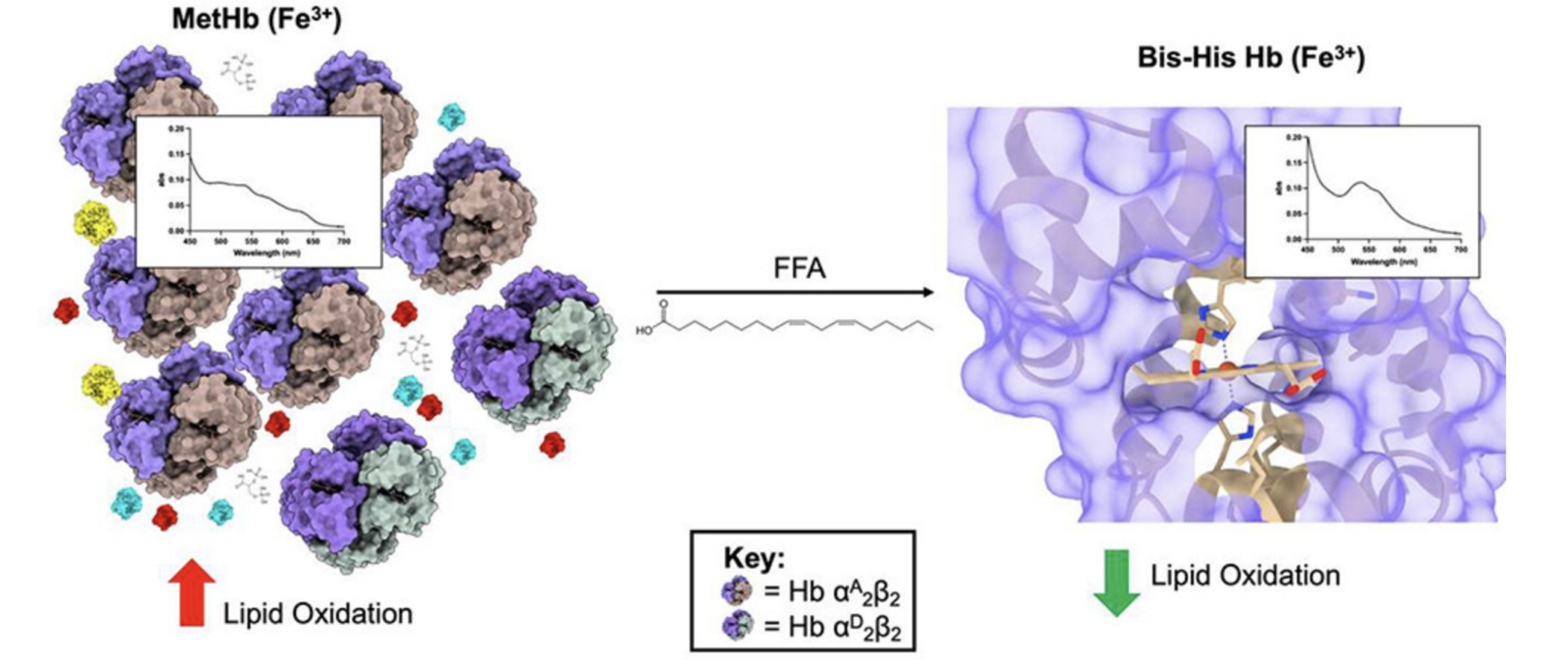
Although the amino acid sequence of hemoglobin (Hb) and myoglobin (Mb) are highly conserved across the animal kingdom, certain amino acid substitutions substantially impact functional characteristics (kox, hemin dissociation, ligand affinity, titratable residue pKa). We employ optical (electronic absorption, resonance Raman), computational (MD, DFT), and analytical (ESI-MS) tools to properties of Hb and Mb from different meat producing species. Unlike many other heme protein researchers we like to perform research at low pH to mimic the post mortem pH of muscle foods.
Consumption of Cholesterol Oxidation Products and Disease
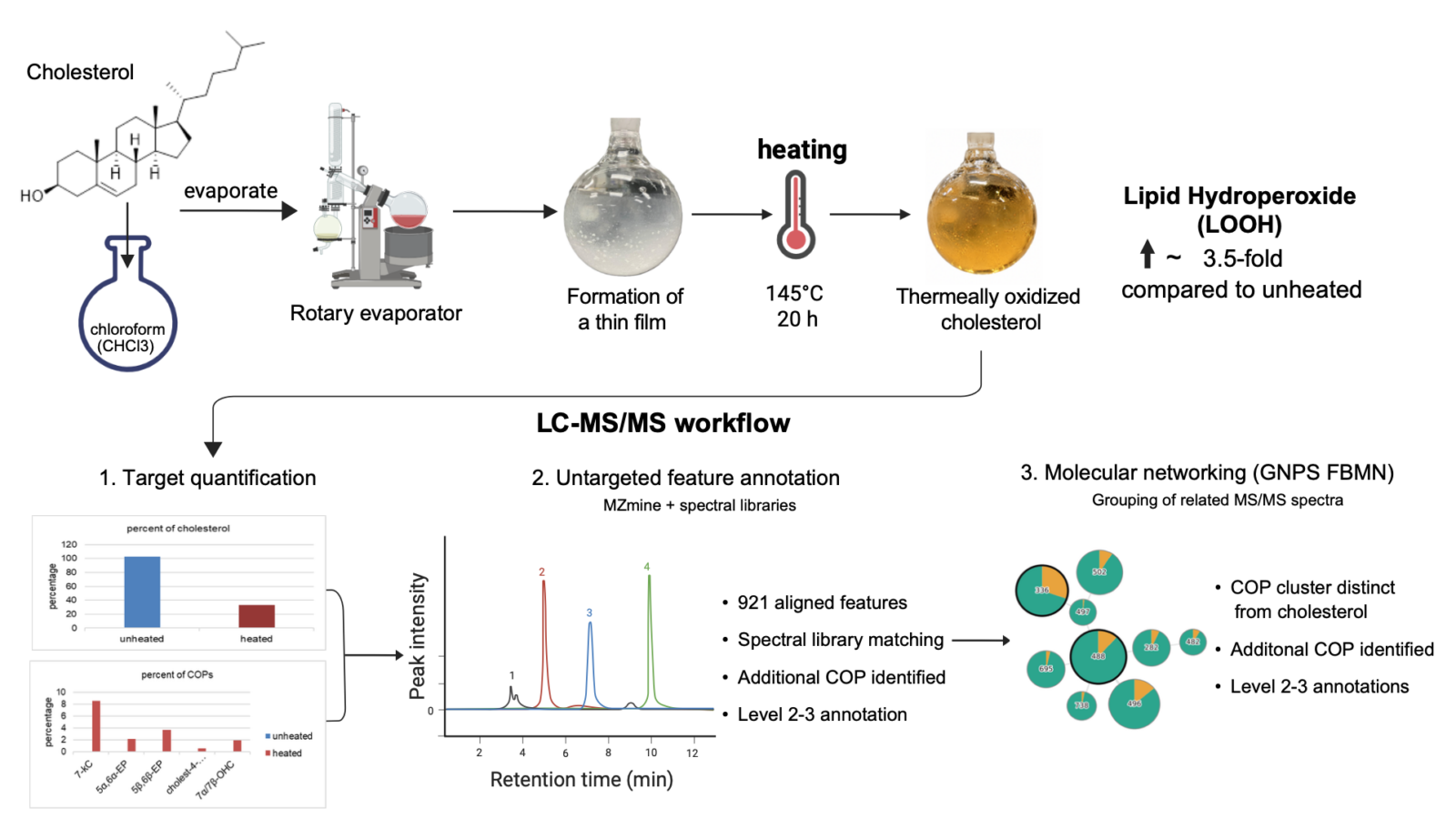
Present in many ultra-processed foods, cholesterol oxidation products (COP)s have recently been shown to be associated with various diseases states. After ingestion, COPs are absorbed in the intestine and can be distributed to serum and various tissues, potentially promoting a variety of toxic effects. We aim to understand how different COPs impact organ health in a murine model. This project employs cellular/molecular biology, analytical chemistry, and more. This project is a collaboration with Dr. Vanessa Leone.
Lipid Oxidation of Whey Protein Phospholipid Concentrate (WPPC)
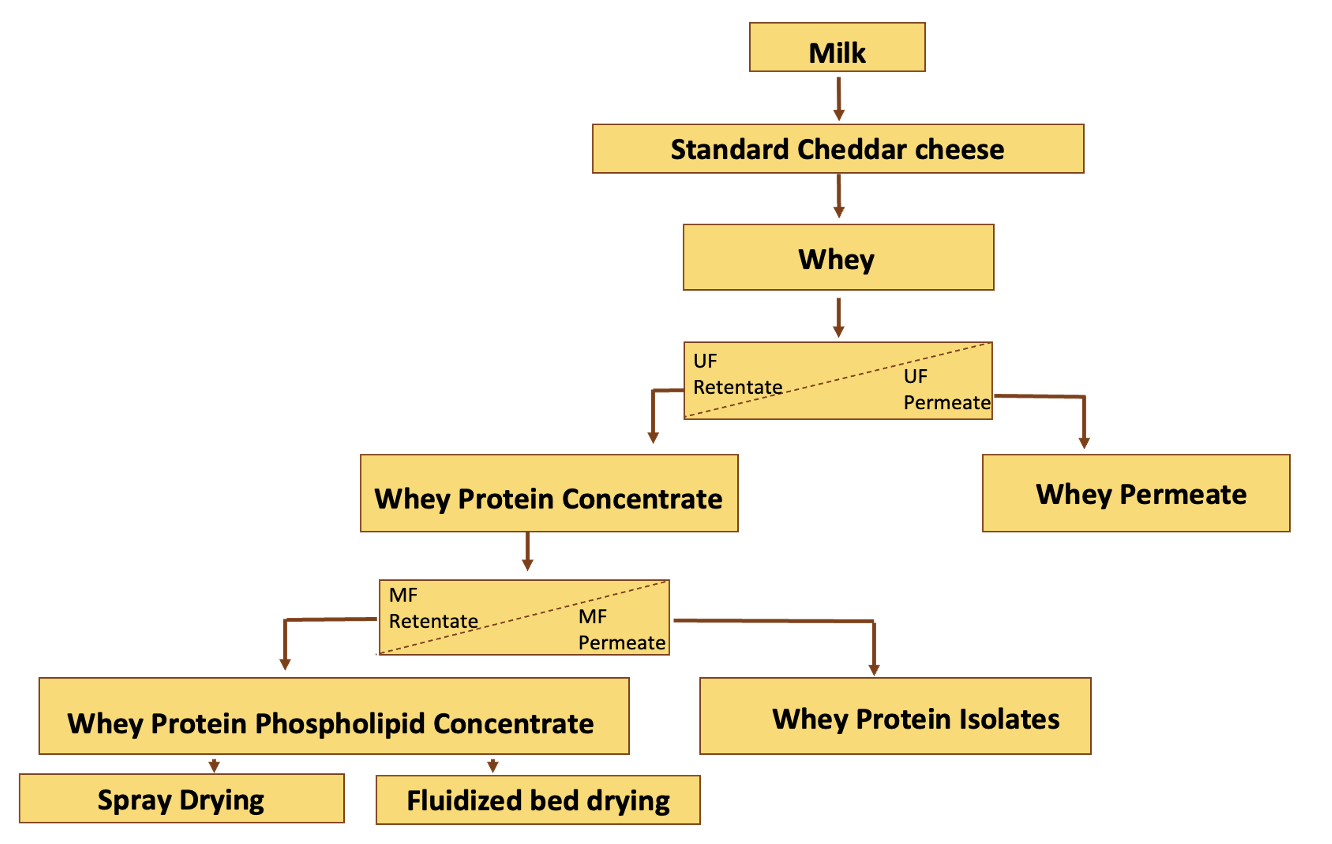
WPPC is a phospholipid rich co-product from cheese production. WPPC has high concentrations of lactoferrin, xanthine oxidase, phospholipids and other bioactive compounds making this an attractive co-product for further research. Very little research has been conducted on processing, shelf life and digestibility of WPPC. This project employs lipidomics, basic lipid oxidation assays, and in-vivo mouse model to assess WPPC. This is a collaboration between Dr. Vanessa Leone and Dr. Gulustan Ozturk.
Applied Food Research
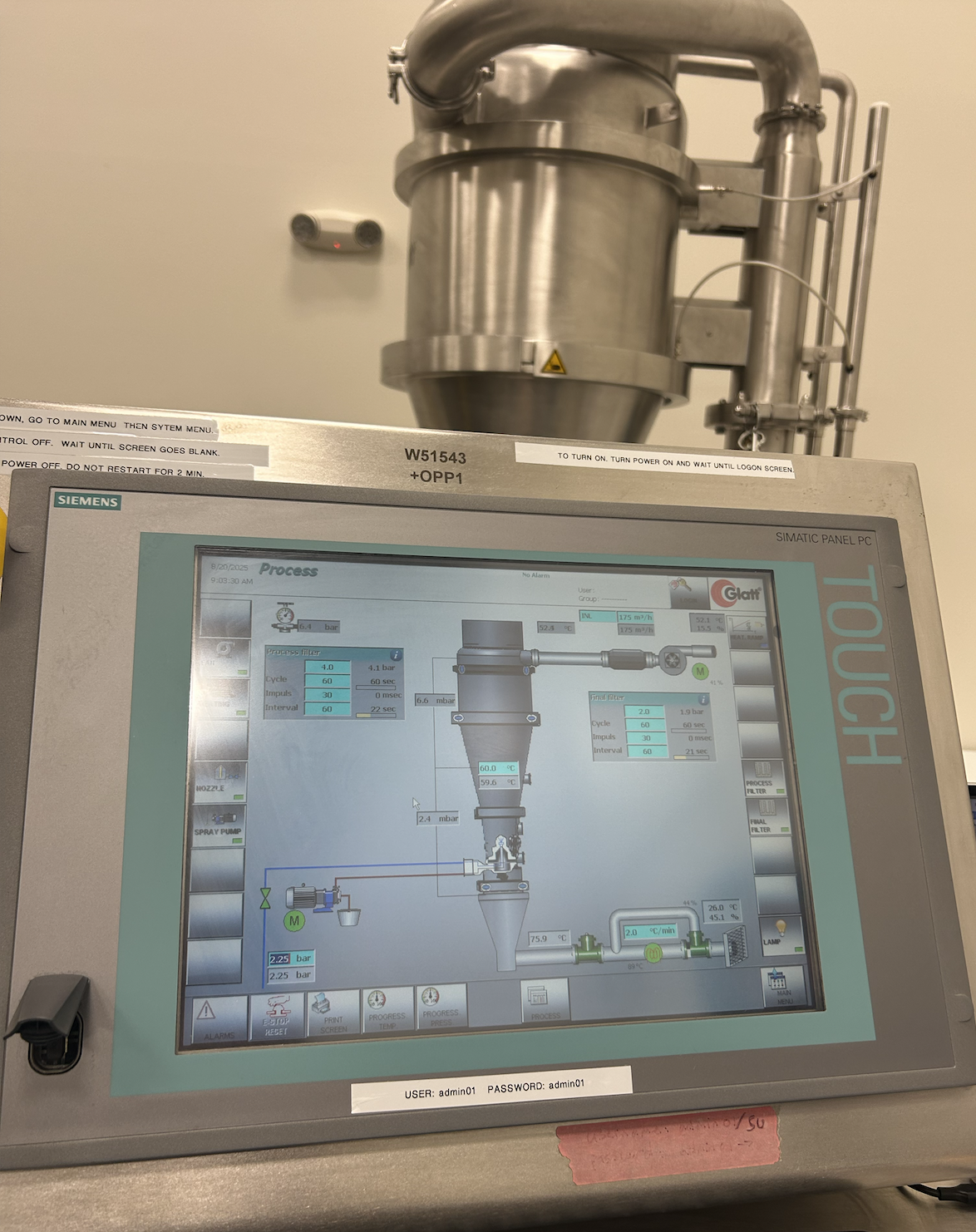
The food industry is very dynamic, so ingredient technology and innovation must keep up. In addition to the work described above, we look to identify and evaluate novel antioxidants/antimicrobials for application in muscle foods. We aim to find solutions that are safe, natural, cost effective, and palatable. We are fortunate to have access to a the full-service (animal harvest -> further processing) meat plant here at MSABD, which allows us to apply and evaluate technologies at scale.